The Fridge Audition: Three Dinners From One Shelf
Turn random leftover ingredients into three distinct dinner options without a trip to the supermarket. Here is how to use an AI assistant to plan, verify, and execute a meal using only what you already own.
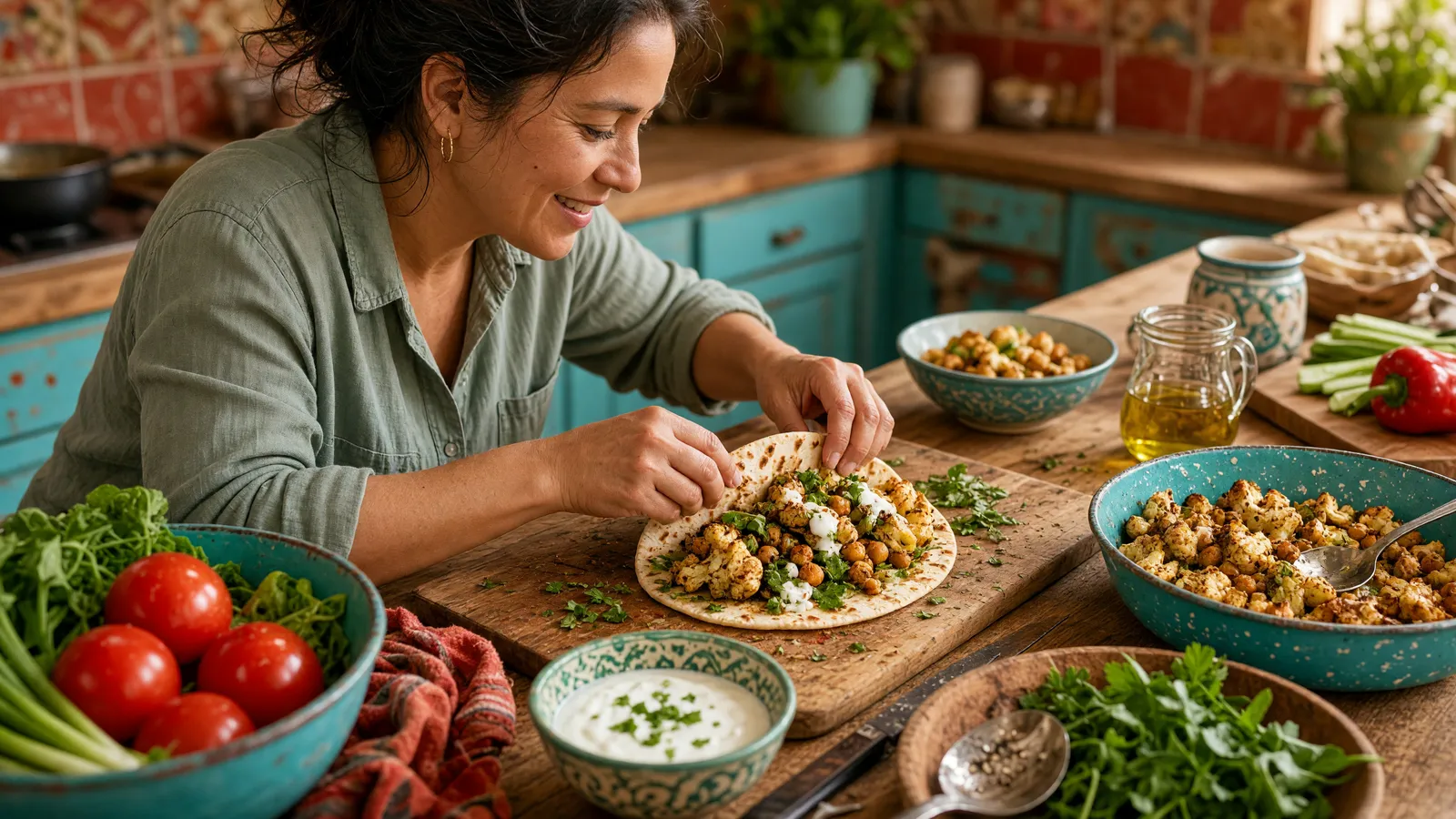
There is a specific, quiet despair that sets in around 5:30 p.m. when you open the fridge door. You have half a head of cauliflower, a stray lemon, some plain yoghurt, and a tin of chickpeas in the pantry. It is not quite a meal, but it is too much food to justify ordering a takeaway. This is the exact moment an AI chat assistant can earn its keep.
Traditional recipe searching fails in this scenario because search engines will inevitably suggest recipes requiring three additional ingredients you do not have. By giving a conversational AI a strict inventory, a time limit, and a demand for variety, you can force it to audition three completely different dinners from one shelf of leftovers.
The Finish Line
The Outcome: One complete dinner recipe you want to eat tonight, two alternative concepts for another time, and a shopping list that remains entirely empty.
Prerequisites: A standard web-based AI chat tool (like ChatGPT, Claude, or Google Gemini), your smartphone or laptop, and a small assortment of random edible ingredients.
Time Estimate: 15 minutes to audit and prompt, plus 35 minutes of cooking. Total: 50 minutes.
Cost Estimate: Free to plan. Food costs will vary based entirely on what is already in your kitchen.
1. Audit the Shelf and Mind the Clock
Before opening any digital tools, pull the ingredients you want to use out of the fridge and place them on the benchtop. You need to know exactly what you are working with. Roughly estimate the quantities to yourself: "half a cauliflower, one 400g tin of chickpeas, four pita breads, half a cup of plain yoghurt, one lemon." Include actual seasonings and state which tools you can be bothered to wash.
When dealing with food that has been stored, brought out, and put back, rely on official guidelines rather than an AI's guesswork. According to the Food Standards 2-hour/4-hour rule, the time potentially hazardous food spends between 5°C and 60°C is cumulative. This means you must add up every time the food has been out of the fridge during preparation, storage, and transport.
If your ingredients or leftovers have been out of the fridge for a cumulative total of less than two hours, they can be used or put back in the fridge to use later. If they have been out between two and four hours, they must be used immediately and cannot go back in the fridge. Over four hours? Throw them away. AI cannot know your food's history, so make these safety calls yourself before adding items to your digital list. If shopping or cooking for someone with a food allergy, check the actual physical packaging and never delegate suitability or cross-contamination checks to a chatbot.
2. The Photographic Privacy Trap
It is tempting to simply snap a photo of your open fridge and ask the AI to identify the contents. Resist this urge. As the New Zealand Office of the Privacy Commissioner cautions, any personal information you input into a generative AI tool could potentially be retained or disclosed by the provider to continue training their models.
A panoramic photo of your fridge door might inadvertently capture sensitive information in the background: a child’s school report pinned to a magnet, a prescription medication bottle on the top shelf, or a letter from the bank. Always type your ingredient list out as text. It is faster for the AI to process, less prone to misidentifying a jar of mayonnaise as vanilla frosting, and completely protects your household's privacy.
3. The Three-Texture Prompt
Left to its own devices, an AI will often suggest three identical stir-fries with slightly different names. To get a genuine choice, you must force it to vary the textures and cooking methods. You also need to enforce strict physical constraints, like how many pans you are willing to use, so it does not assign you a sink full of washing-up.
Copy and paste the following prompt into your chat tool, replacing the bracketed text with your own ingredients:
I need to plan dinner for two people. My available ingredients are: [half a cauliflower, one 400g tin of chickpeas, four pita breads, half a cup of plain yoghurt, one lemon, olive oil, cumin, salt, and pepper]. I have one baking tray, one frying pan, and 35 minutes.
Give me three distinct options using ONLY these ingredients: one crisp, one saucy, and one handheld. List what I need for each. Then, tell me which one is the fastest to make, and provide a full recipe for that chosen option with exact quantities, and prep and cooking times separated. Do not include food-safety advice, and do not assume I have any pantry staples other than what is listed.
4. The Reality Check
Generative AI tools are designed to predict text, not to taste food or manage a busy kitchen. The Privacy Commissioner’s guidelines explicitly remind users that these tools can produce "very confident errors of fact or logic." Always review the generated recipe backwards from serving before preheating the oven. Does the timeline make sense? Did it sneakily require a blender you do not own?
Illustrative Output: What a successful AI recipe generation looks like based on the prompt above.
Option 1 (Crisp): Roasted Cauliflower & Chickpea Crunch Plates.
Option 2 (Saucy): Simmered Cumin Chickpeas with Lemon-Yoghurt Cauliflower Mash.
Option 3 (Handheld - Fastest): Crispy Spiced Cauliflower & Chickpea Pitas.
Full Recipe: Crispy Spiced Cauliflower & Chickpea Pitas
Prep Time: 10 minutes | Cook Time: 25 minutes
Ingredients:
- 1/2 head cauliflower, cut into small bite-sized florets
- 400g tin chickpeas, drained, rinsed and patted dry
- 2 tbsp olive oil
- 1 tsp cumin
- Salt and pepper to taste
- 1/2 cup plain yoghurt
- Juice of 1/2 lemon
- 4 pita breads
Steps:
- Preheat oven to 220°C.
- Toss the cauliflower florets and dried chickpeas on your baking tray with the olive oil, cumin, salt, and pepper until evenly coated.
- Roast for 20–25 minutes until the cauliflower is tender and the chickpeas are crisp.
- While roasting, mix the yoghurt, lemon juice, and a pinch of salt in a small bowl.
- Warm the pitas in your frying pan for 30 seconds on each side. Split them open, spread the lemon yoghurt inside, and fill with the hot roasted mixture. Serve immediately.
5. Troubleshooting and Recovery
AI tools aim to please, which means they will sometimes bend your rules to make a recipe sound more appealing. If you spot an error, do not start a new chat. Simply issue a strict correction.
- The Phantom Ingredient: If the AI cheerfully adds a handful of fresh coriander or a splash of chicken stock that you do not own, reply: "I do not have coriander or stock. Rewrite the recipe using only the exact ingredients from my first message."
- The Impossible Timeline: If the AI suggests a slow-roasted dish that takes an hour when you specified 35 minutes, reply: "Option 2 takes too long. Replace it with a stovetop version that finishes in under 30 minutes."
- The Boring Variations: If the meals are too similar, ask it to force a change. Reply: "Change the primary cooking method for Option 2 from roasting to pan-frying to ensure the textures are different."
6. Saving the System
Once you have auditioned the fridge and found a dinner you are happy with, do not rely on the chat history to remember it forever. Copy the final, successful recipe text and paste it into a digital notes app, a physical recipe journal, or your household's shared document folder.
To make this your default weekday fallback, save the core prompt template from Step 3 in a quickly accessible note on your phone. The next time the 5:30 p.m. fridge dread sets in, you can simply swap out the bracketed ingredients, drop in whatever is on the shelf, and let the audition begin again.
AI disclosure: AI systems assisted with research and writing. Gemini independently peer-reviewed and approved this article before publication. Images, where present, are illustrative AI-generated photographs.